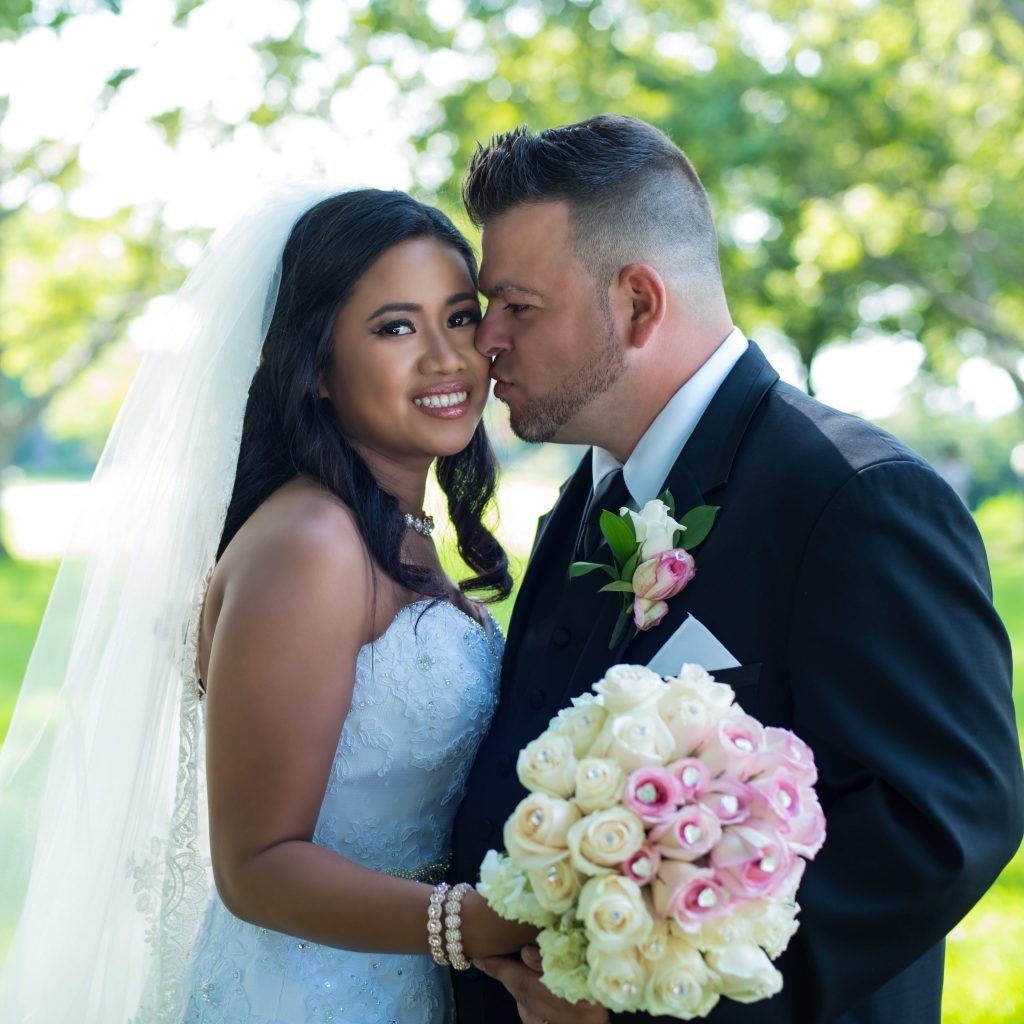

The prospective-marriage pathway under subclass 300 is a temporary option for eligible people who intend to marry their prospective spouse. A separate partner migration stage may follow; this is not permanent residence or a guaranteed fast route.
The prospective-marriage pathway sits within the partner migration family. In this article I discuss:
- when a prospective-marriage pathway may suit your relationship;
- key eligibility requirements;
- exploring partner migration after marriage;
- what to do if you marry before a decision.
This article, prepared by our Registered Migration Agent, explains the prospective-marriage pathway and key considerations when planning your next steps.
What is a Prospective-Marriage Pathway
To better understand what a prospective-marriage pathway is; it is helpful to explain the role of temporary visits and partner migration.
By comparing these three pathways, the role of the Prospective-Marriage Pathway is better understood.
Temporary visits
Temporary visitor arrangements permit a short stay, such as a holiday or seeing family. The permitted stay and conditions are set out in the grant notice. Visitors must meet the genuine temporary-visit and other requirements. There is no guaranteed processing period or right to remain permanently.
Partner migration
The Partner pathway is available to eligible spouses and de facto partners and generally involves a temporary or provisional stage followed by assessment for permanent residence. Marriage and de facto cases have different relationship requirements. There is no universal six-month cohabitation rule for married couples.
Comparing temporary visitor permission, Prospective-Marriage Pathway and partner migration
Subclass 300 may suit a couple who intend to marry but are not yet eligible for assessment as spouses or de facto partners. Engagement alone is not enough: both the person seeking to migrate and the sponsor must meet the relevant requirements.
Subclass 300 permits a stay of 9 to 15 months from grant, as specified in the grant notice. To pursue the usual onshore Partner pathway, marry and complete the required subclass 820/801 lodgement before the subclass 300 permission expires. If either person has a previous marriage, check that you can legally marry within the required period.
Compare the current processing-time guide for each pathway rather than assuming a prospective-marriage pathway will be quicker.
Understanding the Prospective-Marriage Pathway
A prospective-marriage pathway can provide time in Australia to marry, with work and study rights. Eligible family members may be included, subject to their requirements. It is a temporary step, and a later partner migration stage has its own criteria and charges.
Medicare is not an automatic entitlement simply because you hold subclass 300. Check whether you qualify on another basis and arrange appropriate healthcare cover.
Advantages of the Prospective-Marriage Pathway
Unlike a de facto partner case, subclass 300 does not generally require a 12-month de facto relationship. It does require more than an engagement or an online relationship. See the eligibility checklist below.
Marriage before a subclass 300 decision and marriage after grant are different situations. Follow the correct process described below rather than assuming an automatic or free upgrade.
Disadvantages
The usual route after a subclass 300 grant involves a separate partner migration stage and an additional government charge. Check current fees before choosing a pathway. The overall time to permanent residence varies; it cannot reliably be promised as four years or ranked as the slowest route for every couple.
We have written a detailed article about success in long-distance relationships.
Prospective-marriage requirements
Key requirements include:
- the person seeking to migrate must be at least 18 and outside Australia at lodgement;
- the couple must have met face to face as adults and know each other personally;
- the person seeking to migrate must intend to marry the prospective spouse before the authorised period ends;
- the sponsor must be an eligible Australian citizen, permanent resident or eligible New Zealand citizen;
- the relevant health, character, sponsorship and other requirements must be met.
Check the full Home Affairs eligibility criteria. Meeting these headline requirements alone does not guarantee a grant.
Move from Fiancé Pathway to Partner Migration
After permission under subclass 300 is granted, follow its marriage conditions and the expiry date in the grant notice. For the usual onshore route to permanent residence, marry your prospective spouse and complete a valid subclass 820/801 lodgement before the subclass 300 permission ends. This is a separate process, not an automatic upgrade.
Get married while you wait
If you marry before Home Affairs decides your subclass 300 case, you no longer qualify under that pathway. Home Affairs instructs the people concerned to update ImmiAccount, attach the valid marriage certificate, request consideration for subclass 309/100 and state that they wish to withdraw the prospective-marriage request. You must also notify the Department through the Partner Processing Enquiry Form.
Follow the current Home Affairs instructions carefully and obtain advice before withdrawing anything. Do not assume an automatic change to subclass 820 or a guaranteed fee outcome. This is not a workaround for a six-month married-couple rule: no such general rule exists.
Prospective marriage and temporary visits
A genuine temporary visit may be possible while an offshore matter is pending. The temporary-visit request is assessed separately. A pending prospective-marriage matter does not guarantee permission for a temporary visit, a longer stay or bridging arrangements. Comply with the conditions of the authorised visit and do not use repeated visits as a substitute for permission to live in Australia.
Prospective-marriage advice for a Filipino partner
For a Filipino partner, use the same subclass 300 eligibility requirements described above. The stay period and marriage deadline are in the grant notice. Whether a temporary visit, prospective marriage or partner migration pathway is appropriate depends on your relationship, immigration history and plans, not nationality alone.
Prospective-marriage advice for a Thai partner
For a Thai partner, use the same subclass 300 eligibility requirements described above. The stay period and marriage deadline are in the grant notice. Whether a temporary visit, prospective marriage or partner migration pathway is appropriate depends on your relationship, immigration history and plans, not nationality alone.
Prospective-marriage advice for a Vietnamese partner
For a Vietnamese partner, use the same subclass 300 eligibility requirements described above. The stay period and marriage deadline are in the grant notice. Whether a temporary visit, prospective marriage or partner migration pathway is appropriate depends on your relationship, immigration history and plans, not nationality alone.
Prospective-marriage advice for a Cambodian partner
For a Cambodian partner, use the same subclass 300 eligibility requirements described above. The stay period and marriage deadline are in the grant notice. Whether a temporary visit, prospective marriage or partner migration pathway is appropriate depends on your relationship, immigration history and plans, not nationality alone.
Pregnant Fiancé
If your partner is pregnant, consider medical advice, travel arrangements, immigration conditions and healthcare costs together. Do not assume that a prospective-marriage or temporary visitor permission will provide Medicare or cover the birth.